
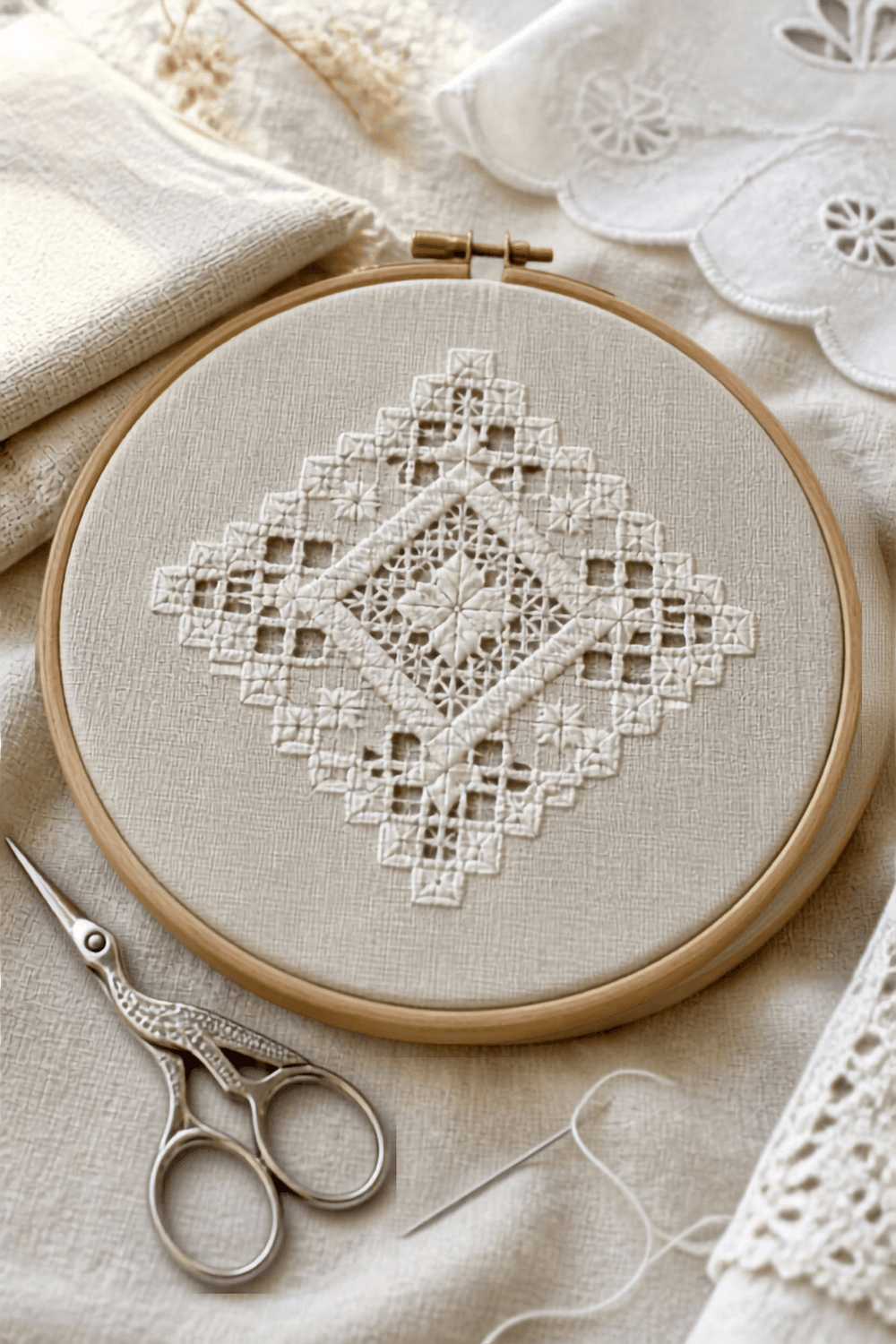
I learned about hardanger embroidery five years ago when my grandmother showed me her old handkerchief. It was so delicate and beautiful! Since then, I’ve created dozens of hardanger embroidery pieces, and I want to share what I discovered about choosing the right fabric.
Hardanger embroidery is a special type of needlework that needs a specific kind of fabric. It’s not like regular sewing! Let me tell you what I learned through experience.
Table of Contents
What is Hardanger Embroidery?
Hardanger embroidery is an ancient Norwegian craft. It combines cutting fabric away with beautiful stitching using thread. The fabric must have a perfect weave so you can count each thread easily.
When I first tried this craft, I used the wrong fabric and wasted two hours! The threads were too close together. I couldn’t count them properly, and my design looked messy. That’s when my grandmother told me the secret: you need even-weave fabric.
The Best Fabric for Hardanger Embroidery
Hardanger fabric is the perfect choice—and yes, there’s a fabric named after this embroidery! Let me explain what makes it special.
Hardanger fabric is made from 100% linen. It has a tight, even weave where you can count every single thread. The threads cross perfectly in a grid pattern. This even weave is what makes hardanger embroidery possible.
My first real hardanger fabric came from a craft shop. I remember feeling the cloth—it was stiff and sturdy, not soft like cotton. The shopkeeper told me that’s exactly what I need. She was right! The stiffness helps you keep stitches even and makes counting threads much easier.
Fabric Count Matters
Hardanger fabric comes in different thread counts. This means different numbers of threads per inch.
22-count fabric is perfect for beginners like I was. It has 22 threads per inch, making them easy to see and count. My first piece used 22-count, and it turned out great!
28-count fabric is medium difficulty. This is what I use now for most projects. It’s harder than 22-count but creates finer, more detailed designs.
32-count and higher is for experienced stitchers. These fabrics are very difficult because threads are tiny. I tried 32-count once, and it hurt my eyes! But the finished piece was absolutely stunning.
When you’re learning, start with 22-count hardanger fabric. Trust me—it makes a huge difference!
Other Fabric Options
While hardanger fabric is the traditional choice, I’ve experimented with other even-weave fabrics.
Linen fabric works beautifully. Check out our guide to fabric types to understand different options. Regular linen is cheaper than hardanger but still has the even weave you need.
Evenweave cotton is another option I’ve tried. It’s softer than linen and less expensive. However, it’s not as sturdy. I use it for smaller projects only.
Linen/cotton blend offers a middle ground. It’s softer than pure linen but sturdier than cotton. I like using this for practice pieces before starting important projects.
My Personal Experience
My first hardanger project took me six hours. I used wrong fabric and kept making mistakes. I had to restart three times!
Then I bought real hardanger fabric in 22-count. Everything changed. My stitches looked perfect. I finished my second project in just three hours. The difference was amazing!
Last year, I made a beautiful hardanger embroidery tablecloth using 28-count hardanger fabric. It took two months, but people say it looks professional. That’s the power of choosing the right fabric!
Important Tips I Learned
Get proper thread: Use quality embroidery floss designed for this work. It matters as much as fabric choice.
Use the right needle: An appropriate embroidery needle prevents fabric damage and makes stitching easier.
Count carefully: With even-weave fabric, counting threads is your secret weapon for perfect designs.
Prepare properly: Use an embroidery hoop to keep fabric stretched evenly while working.
Conclusion
Choosing the right fabric for hardanger embroidery is the most important decision you’ll make. Don’t make my mistake of using wrong fabric!