

If you love quilting and sewing, you’re always hunting for fresh pattern ideas that spark joy. Whether you’re a complete beginner or an experienced crafter, finding the right quilt patterns can make the difference between a project you abandon and one you finish with pride. In this guide, I’ve gathered 9 of the most beloved quilt and sewing patterns that quilters return to again and again.
Table of Contents
1. Star Quilt Pattern
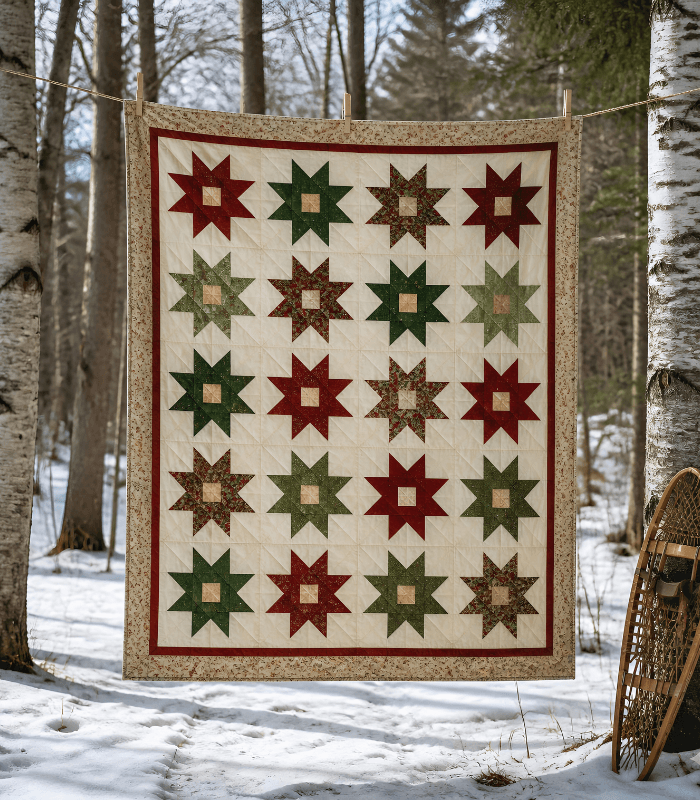
Star quilts are among the most iconic quilt designs. They feature a central star shape created by combining triangles and squares. This pattern works beautifully in traditional and modern color combinations.
Learn the Full Details: Star Quilt Pattern
2. Log Cabin Patterns for Quilts
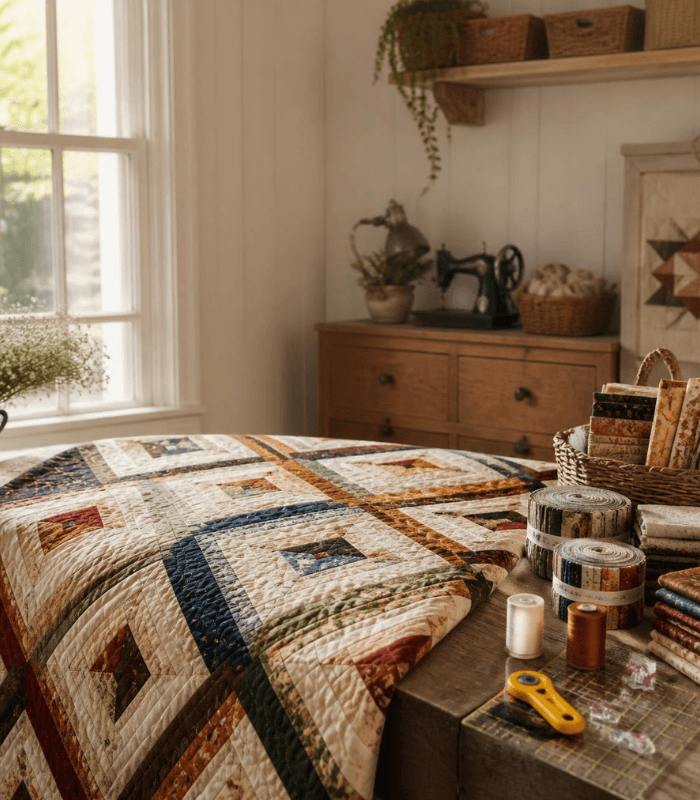
Log Cabin quilting involves sewing fabric strips around a central square in a spiral pattern. The strips resemble logs building around a hearth, which inspired the name.
Learn the Full Details: Log Cabin Patterns for Quilts
3. Scrappy Quilt Patterns
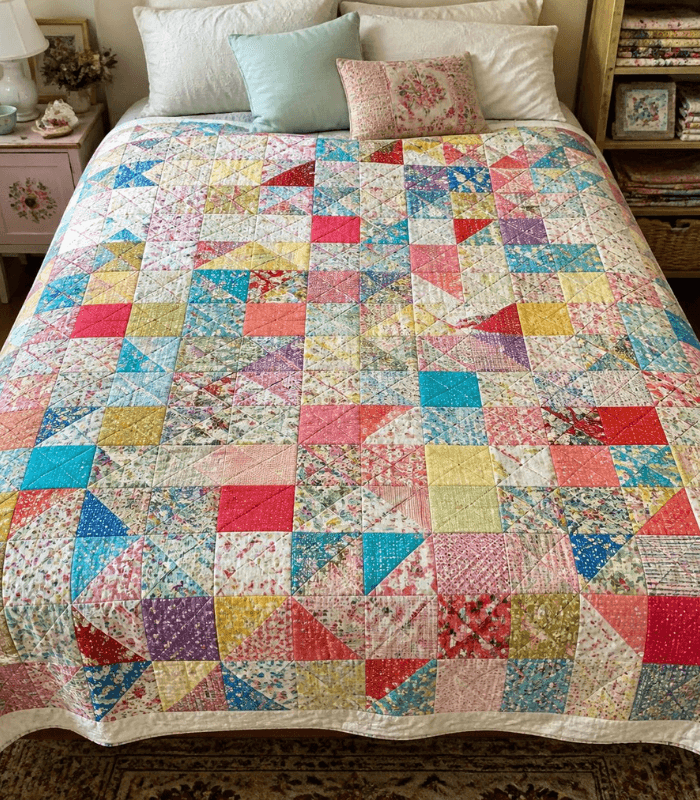
Scrappy quilts use leftover fabric pieces from other projects. They celebrate imperfection and create genuinely unique pieces because no two quilts are identical.
Learn the Full Details: Scrappy Quilt Patterns
4. Simple Square Quilt Patterns
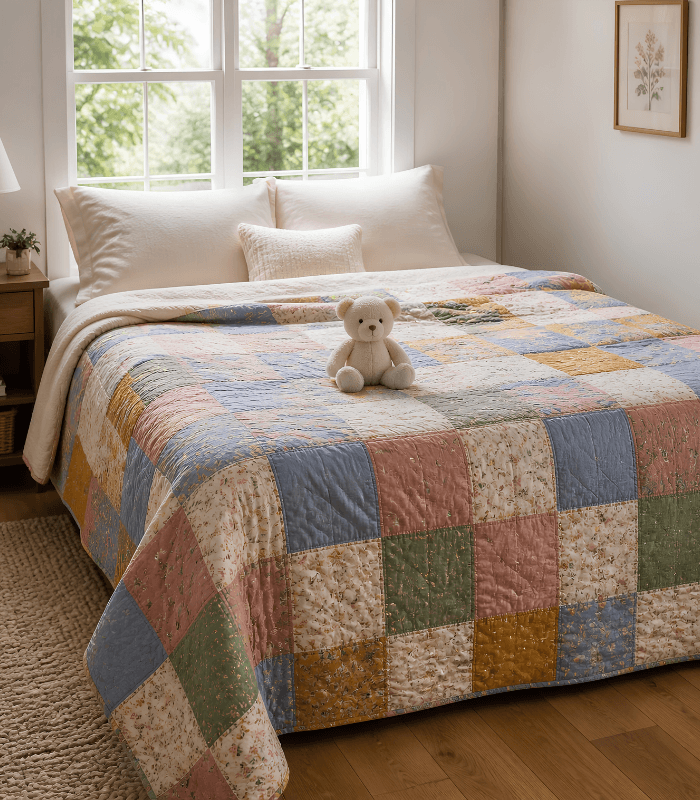
Simple square quilts use squares of fabric sewn together in rows. This is an ideal starting point for beginners because it requires minimal cutting and sewing skills.
Learn the Full Details: Simple Square Quilt Patterns
5. Sawtooth Star Quilt
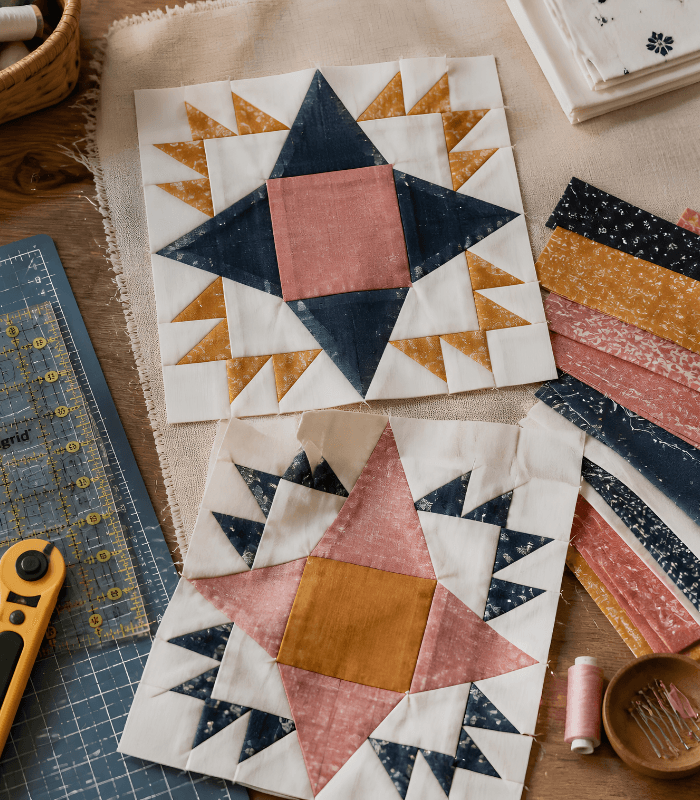
The Sawtooth Star features a classic star design created with precisely cut triangles that form a zigzag or saw-tooth pattern around the star’s points. This pattern has a traditional, elegant appearance.
Learn the Full Details: Sawtooth Star Quilt
6. Heart Quilt Pattern
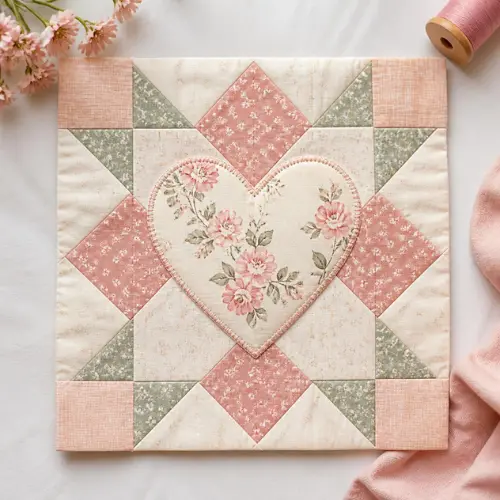
Heart patterns add warmth and emotion to your sewing projects. Whether for anniversaries, baby gifts, or just because, heart quilts convey love and care.
Learn the Full Details: Heart Quilt Pattern
7. Dancing with Bats Quilt Pattern
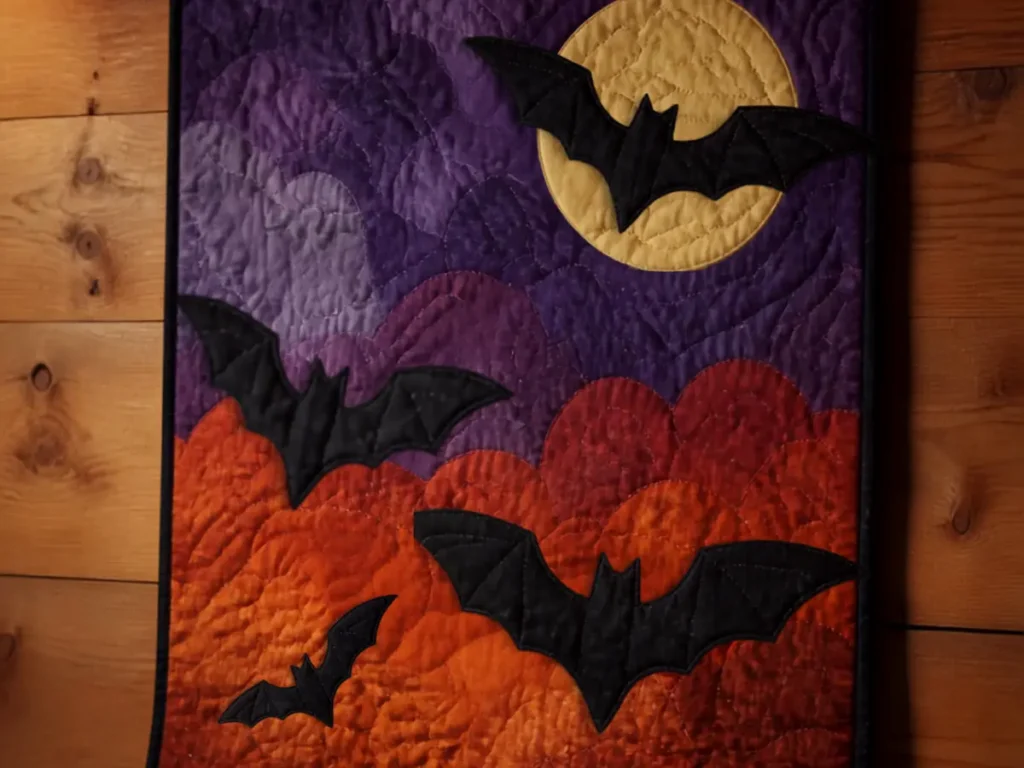
The Dancing with Bats quilt pattern brings fun and whimsy to quilting. It features bat motifs that appear to dance across the quilt surface, making it perfect for Halloween projects or bat enthusiasts.
Learn the Full Details: Dancing with Bats Quilt Pattern
8. T-Rex Embroidery Pattern
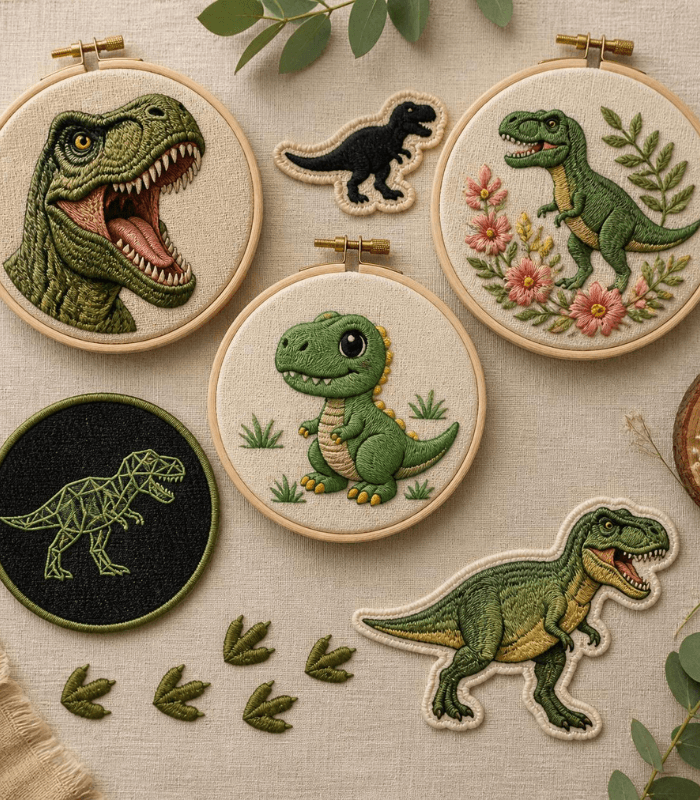
The T-Rex embroidery pattern appeals to dinosaur lovers of all ages. Whether embroidering on clothing, pillows, or wall hangings, dinosaur patterns add character and charm.
Learn the Full Details: T-Rex Embroidery Pattern
9. Bum Bag Pattern
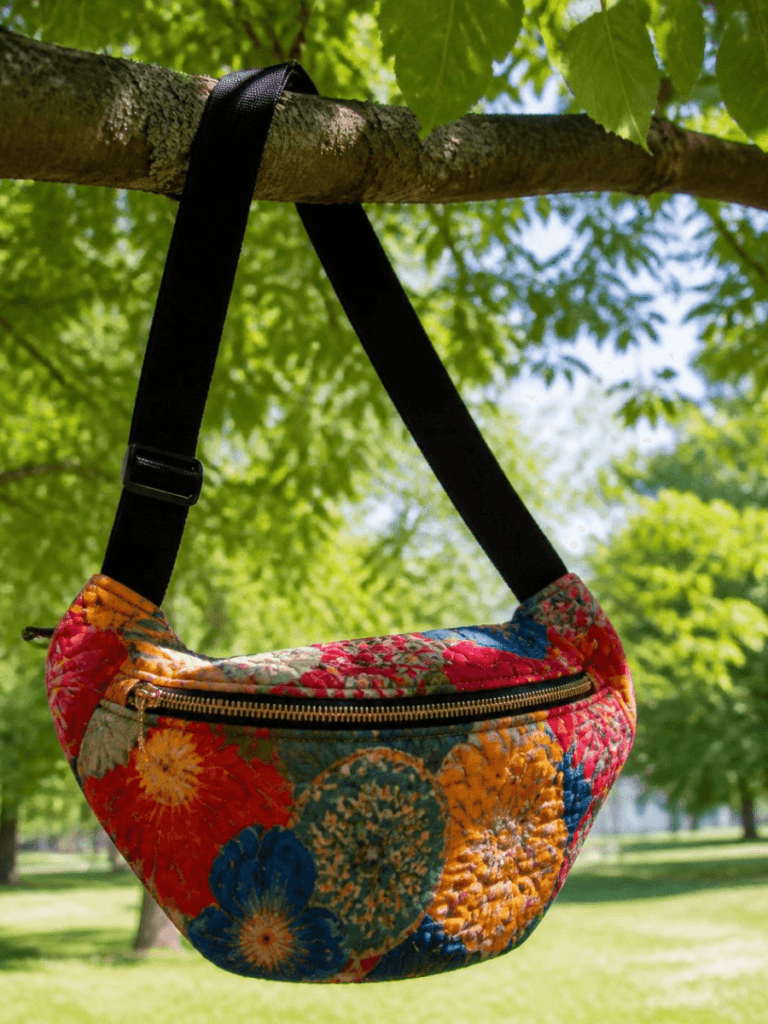
Bum bag patterns (also called fanny pack patterns) provide instructions for creating wearable fabric pouches. These practical accessories combine sewing, zipper installation, and basic construction skills.
Learn the Full Details: Bum Bag Pattern
Essential Tools and Materials for Quilting and Sewing
Must-Have Supplies
Cutting Tools:
- Rotary cutter (45mm or 60mm)
- Self-healing cutting mat
- Quilting ruler (6×24 inches minimum)
- Fabric scissors
Sewing Equipment:
- Quality sewing machine (basic features sufficient)
- Thread (80/12 for piecing, 50/3 for quilting)
- Bobbins and needles
- Presser feet (1/4-inch foot essential)
Pressing:
- Dry iron with cotton setting
- Ironing board
- Pressing cloth to prevent shine
Finishing:
- Batting (cotton, polyester, or wool)
- Binding fabric
- Backing fabric (usually 108-inch wide)
Nice-to-Have Extras
- Seam ripper for mistakes
- Point turner for corners
- Pattern templates
- Walking foot for quilting
- Free-motion quilting foot
Common Mistakes to Avoid
Cutting Mistakes
❌ Using dull rotary cutter blades ✅ Replace blades regularly for clean edges
❌ Not squaring up fabric before cutting ✅ Make one straight edge, then square up properly
❌ Inconsistent seam allowances ✅ Use a 1/4-inch presser foot for accuracy
Piecing Mistakes
❌ Pressing seams in random directions ✅ Plan seam direction to reduce bulk at intersections
❌ Sewing too fast, causing thread tension issues ✅ Practice slow, steady stitching
❌ Ignoring thread tension problems ✅ Test on scraps and adjust tension as needed
Assembly Mistakes
❌ Joining blocks without careful pinning ✅ Pin at every intersection for perfect alignment
❌ Skipping borders ✅ Borders frame your work and stabilize edges
❌ Finishing without squaring up ✅ Square up before binding for clean edges
Tips for Beginner Success
Start Small
Begin with simple patterns like basic squares before tackling complex designs. This builds confidence and skills progressively.
Invest in Basics First
Quality rotary cutter, mat, and ruler make an enormous difference. They’re more important than expensive fabric.
Practice Seam Allowances
The 1/4-inch seam allowance is crucial for patchwork. Practice this single thing until it becomes automatic.
Press as You Go
Never skip pressing. It keeps your pieces flat, accurate, and helps catch mistakes early.
Use High-Contrast Fabrics First
Learning is easier when fabrics contrast clearly. Once you master construction, try subtle colorways.
Join a Quilting Community
Online forums, local quilt guilds, and sewing groups provide support, inspiration, and troubleshooting help.
Document Your Patterns
Keep notes on which patterns you loved, which fabrics you used, and what you’d change next time.
Frequently Asked Questions
What’s the difference between quilting and patchwork?
Patchwork involves cutting and sewing fabric pieces together. Quilting includes three layers (front patchwork, batting, and backing) stitched together. Many patchwork projects become quilts once completed, but not all do.
Can I make these patterns with hand sewing?
Yes! All patterns in this article can be hand-sewn, though machine sewing is faster. Hand sewing works particularly well for applique patterns like the Heart Quilt and Bum Bag.
How much fabric do I need for a beginner project?
Most lap-sized quilts require 5–8 yards of fabric total (including backing). Bum bags need only 1–2 yards. Always check specific pattern requirements before purchasing.
What’s the best fabric for quilting patterns?
100% quilting cotton is the industry standard. It’s stable, comes in endless colors and prints, and behaves predictably. Avoid stretchy or slippery fabrics until you gain experience.
How do I fix mistakes in my quilt?
Small mistakes (crooked seams, wonky blocks) often disappear in quilting. Larger issues can be ripped out and resewn using a seam ripper. For applique mistakes, carefully peel back and re-stitch. Remember: quilt perfectionism kills creativity—embrace your learning curve!